AWG was founded by independent grocers and continues to operate for their benefit. For 100 years, our cooperative has been built on a simple but powerful truth: independent retailers are stronger together. Every decision we make, every service we provide, and every innovation we pursue is focused on helping our members succeed in their communities.
These members represent the breadth and strength of AWG’s membership, from small-town independents to key regional operators, each committed to serving their communities and growing alongside the cooperative.
When Fleming Foods declared bankruptcy in 2003, the Floersch family of Ray’s Apple Market faced a crossroads. After decades with Fleming as their supplier, they joined AWG, and the cooperative model completely transformed their business. “Instead of relying on a for-profit supplier, we became part of an organization that shares profits and reinvests in its members,” the family explains. That shift improved margins, strengthened financial stability, and enabled Ray’s Apple Market to grow from two stores to six.
For the Floersch family, AWG’s cooperative structure is the foundation of their success. “When one member succeeds, everyone benefits,” they note. “AWG is built on shared purpose, mutual support, and long-term stability.” After more than 20 years with AWG, Ray’s Apple Market stands as proof that the cooperative model works, allowing independent grocers to thrive while maintaining their individuality and deep community roots.
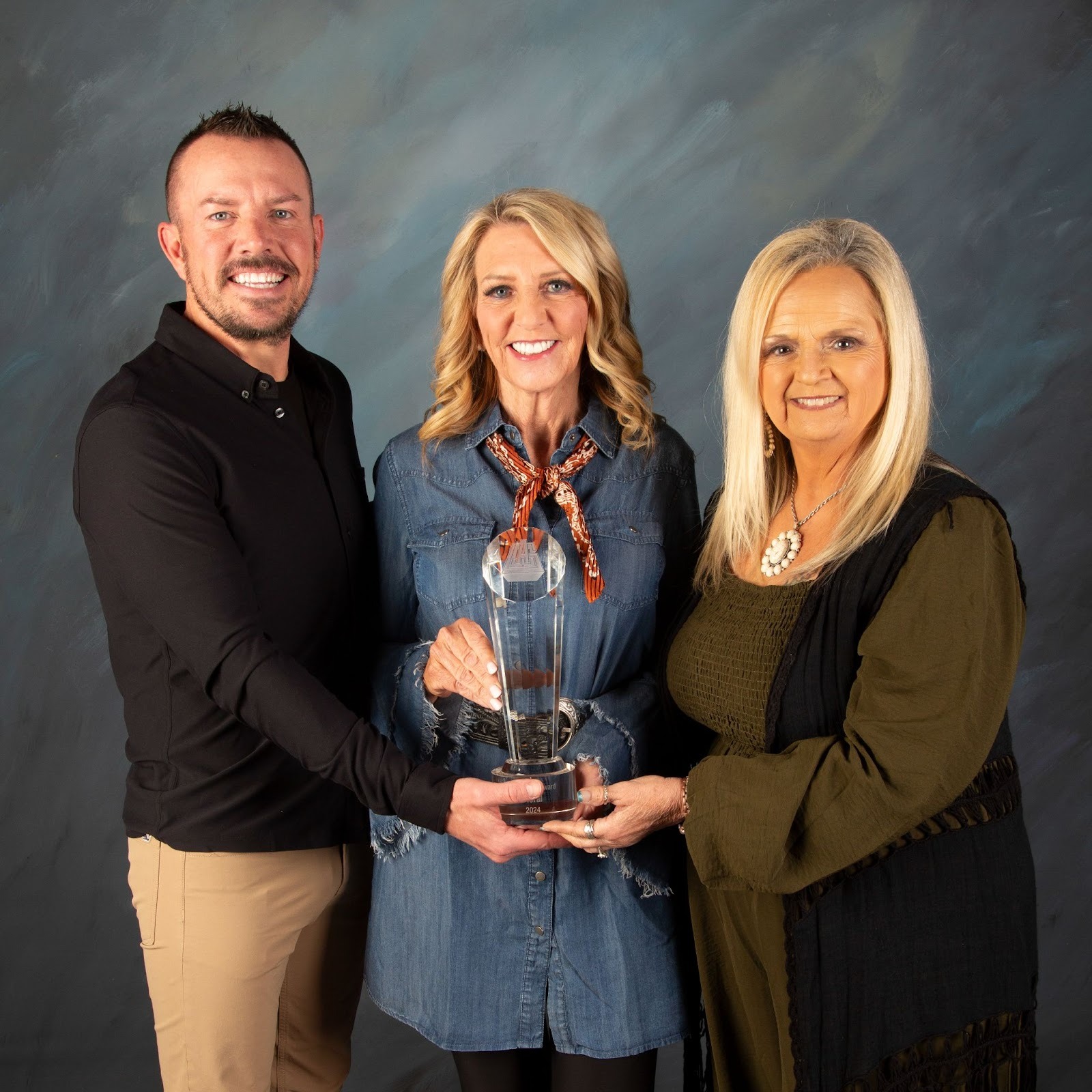
From the beginning, AWG made the Floersch family feel like partners, not just customers. In 2007, AWG recognized Mike and Nelda Floersch with the Lou Fox Community Service Award, honoring not only their business success but also their commitment to the communities they serve. That recognition reinforced what the family had already experienced: AWG values the whole retailer, not just the transaction.
When Fleming Foods declared bankruptcy in 2003, the Floersch family of Ray’s Apple Market faced a crossroads. After decades with Fleming as their supplier, they joined AWG, and the cooperative model completely transformed their business. “Instead of relying on a for-profit supplier, we became part of an organization that shares profits and reinvests in its members,” the family explains. That shift improved margins, strengthened financial stability, and enabled Ray’s Apple Market to grow from two stores to six.
From the beginning, AWG made the Floersch family feel like partners, not just customers. In 2007, AWG recognized Mike and Nelda Floersch with the Lou Fox Community Service Award, honoring not only their business success but also their commitment to the communities they serve. That recognition reinforced what the family had already experienced: AWG values the whole retailer, not just the transaction.
For the Floersch family, AWG’s cooperative structure is the foundation of their success. “When one member succeeds, everyone benefits,” they note. “AWG is built on shared purpose, mutual support, and long-term stability.” After more than 20 years with AWG, Ray’s Apple Market stands as proof that the cooperative model works, allowing independent grocers to thrive while maintaining their individuality and deep community roots.
AWG Board Member Steve Clarke joined AWG in 2016 after the transaction with Affiliated Foods Midwest. His first interaction with AWG was meeting then-President and CEO David Smith. “David was a very personable and caring individual,” Clarke recalls. “It was clear that he truly loved the grocery business and was deeply committed to the members of the cooperative.” That member-first culture has defined Steve’s experience ever since.
Whether AWG is adding a product at the last minute, arranging a special shipment, or sending field teams to help with large sales events and store resets, Steve has seen the cooperative live up to its core value of serving members. “They consistently demonstrate a members-first mindset, always focused on how they can help us succeed,” he explains.
For Clarke, what makes AWG unique is simple: “The members own the warehouse, and what’s good for AWG is good for the members, and vice versa.” Unlike publicly traded companies focused on shareholders, AWG remains focused on its member-owners. As Clarke looks toward AWG’s next century, he sees the same principle that built the first: “A big part of AWG’s success comes from always being customer and community focused. If we continue to put our customers first, there’s no doubt we’ll keep that success going for the next 100 years!”